HEART RHYTHM specialist


 

Our results

Dr Dhiraj Gupta is committed to


  1. auditing his ablation results regularly, and to sharing these with not only his colleagues but also the wider lay public. See Gupta AF ablation results 2007-9.ppt.

  2. measuring success by analysing patient-specific outcomes rather than empirical ‘procedure based’ ones. With time, this should result in our emphasis shifting towards assessing the impact of EP procedures on holistic quality of life measures.

  3. encouraging an approach that strives towards achieving success rather than towards avoiding failure. For EP, this will hopefully result in a lower need for repeat procedures.


Dr Dhiraj Gupta’s practice tends to focus on the more complex end of the spectrum of ablation procedures.  This can be seen in the following chart for his ablation work in 2009.


Dr Gupta is one of the highest volume operators in the country. These are just the number of AF ablations that he has performed in the last 3 years:


  1. 2009: 152

  2. 2010: 160

  3. 2011: 174


No two AF patients are the same. We realise this, and accordingly tailor the catheter ablation strategy according to the individual patient characteristics. This approach is different from the ‘one size fits all’ catheter ablation approach that is performed at a lot of other centres, and we believe this individualised treatment strategy enhances our single procedure success rates.


To learn further details about this strategy, please click here. AF ablation results Gupta.pdf and AF ablation Northern AF meeting.ppt
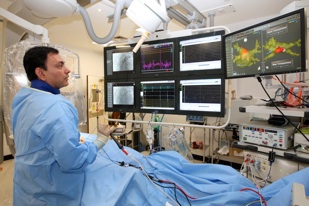

Dr Gupta’s results over the period April 2008 to October 2009 are as follows


              Procedure                                  Total number            Success rate(%)*     Complication (n)                                           


  1. Total AF ablation, of which                          126                             88                               

  2. Paroxysmal AF                                       72                              92                              1

  3. Persistent AF                                           54                              82                            1               

  4. SVT ablation                                                    135                             91                              1

  5. Atrial Flutter ablation                                     46                             97                               1

  6. ICD implants                                                    47                            100                              0

  7. Biventricular devices                                       42                             86                               1

  8. Pacemaker Implants                                       118                            100                             1

  9. Miscellaneous**                                                164                             92                              1


  1. *These are in-lab procedural success rates, and are measured against electrophysiological end points. The more important end point from the patient’s point of view in is that of clinical benefit as judged by a marked improvement in symptoms following a single ablation procedure. The ball park figures for this clinical end point are


  1. >90% for SVT and flutter

  2. 80-90% for paroxysmal AF

  3. 70-80% for persistent AF

  4. 60-70% for long standing (greater than 12 months) persistent AF


**Includes VT ablations, Other ablations, Coronary angiograms, Loop implants amongst others

Complications: All were treated satisfactorily with no long-term sequelae.